
Scaling Data Accuracy with User-Managed Profiles in Rock RMS
This Project At a Glance
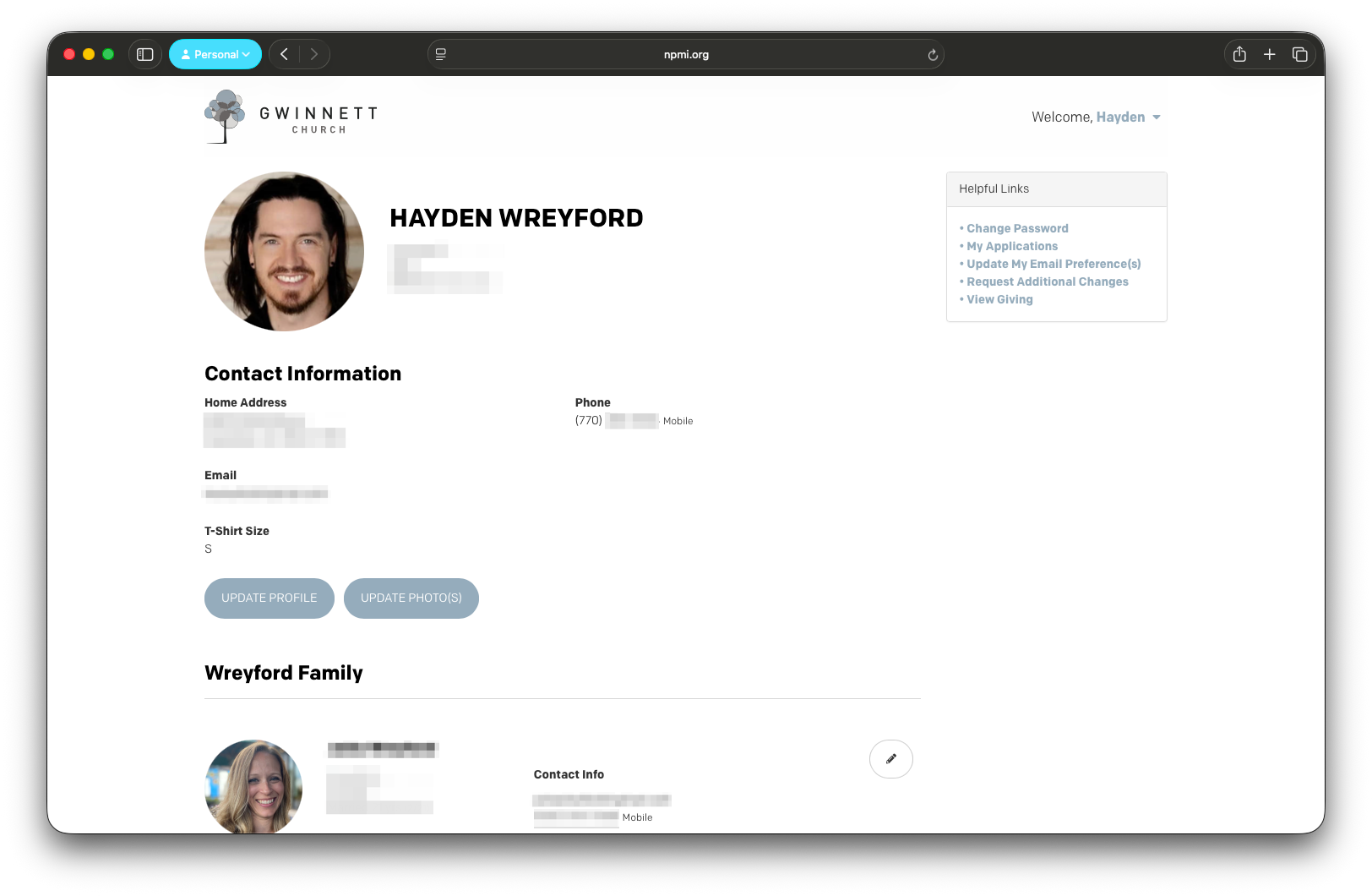
We helped North Point Ministries design and launch a self-service profile update experience in their ChMS (Rock RMS) that helped people keep their information up to date, freed staff from routine data work, and scaled smoothly across a large multi-campus organization.
Client: North Point Ministries (Digital Services Team)
Platform: Rock RMS
Scope: Product discovery, UX, requirements, rollout, adoption
Audience: Church staff and 40,000+ attendees
The Challenge
As North Point scaled, Rock RMS profile updates remained almost entirely staff-managed, creating ongoing friction, consuming staff time, and allowing data accuracy to fall behind real-world changes.
The Outcome
By introducing secure, user-managed profile updates using Rock’s native capabilities, routine data maintenance shifted to attendees, reducing staff workload, improving data accuracy, and establishing a scalable self-service foundation for future platform enhancements.
About This Project
As North Point continued to scale, it became increasingly clear that staff-managed profile updates were an operational bottleneck. While Rock RMS held the right data, the model assumed staff would act as the gatekeepers for information that attendees already knew and were motivated to keep current. This created unnecessary delays, duplicated effort, and frustration on both sides as data became outdated.
Reframing the Problem
I identified this as a product opportunity rather than a process issue. The core question was not “how do we process updates faster,” but “who should own this work, and how do we make it secure and intuitive?” The answer was a self-service experience that balanced user autonomy with appropriate guardrails.
How We Approached It
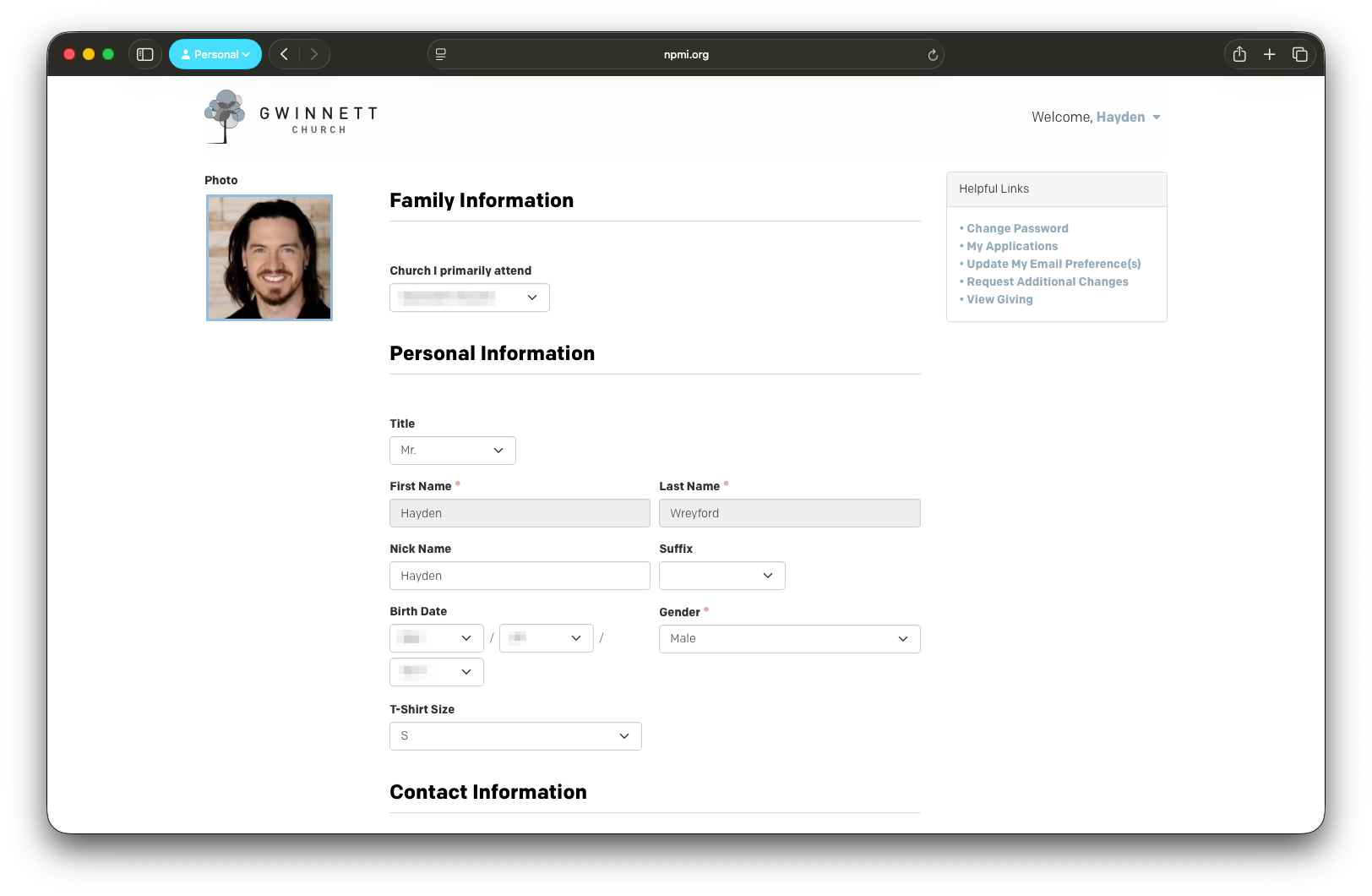
I led discovery to understand which profile fields created the most friction and where staff trust broke down. From there, I partnered with stakeholders to define clear rules around what users could update, how changes would be reviewed when necessary, and how those updates would flow cleanly into existing Rock RMS structures.
From a product standpoint, the work focused on clarity and confidence. Attendees needed to understand what they could change and why it mattered. Staff needed confidence that self-service would not introduce data chaos. I translated those needs into UX flows, system behaviors, and detailed requirements for implementation.
Launching the Experience
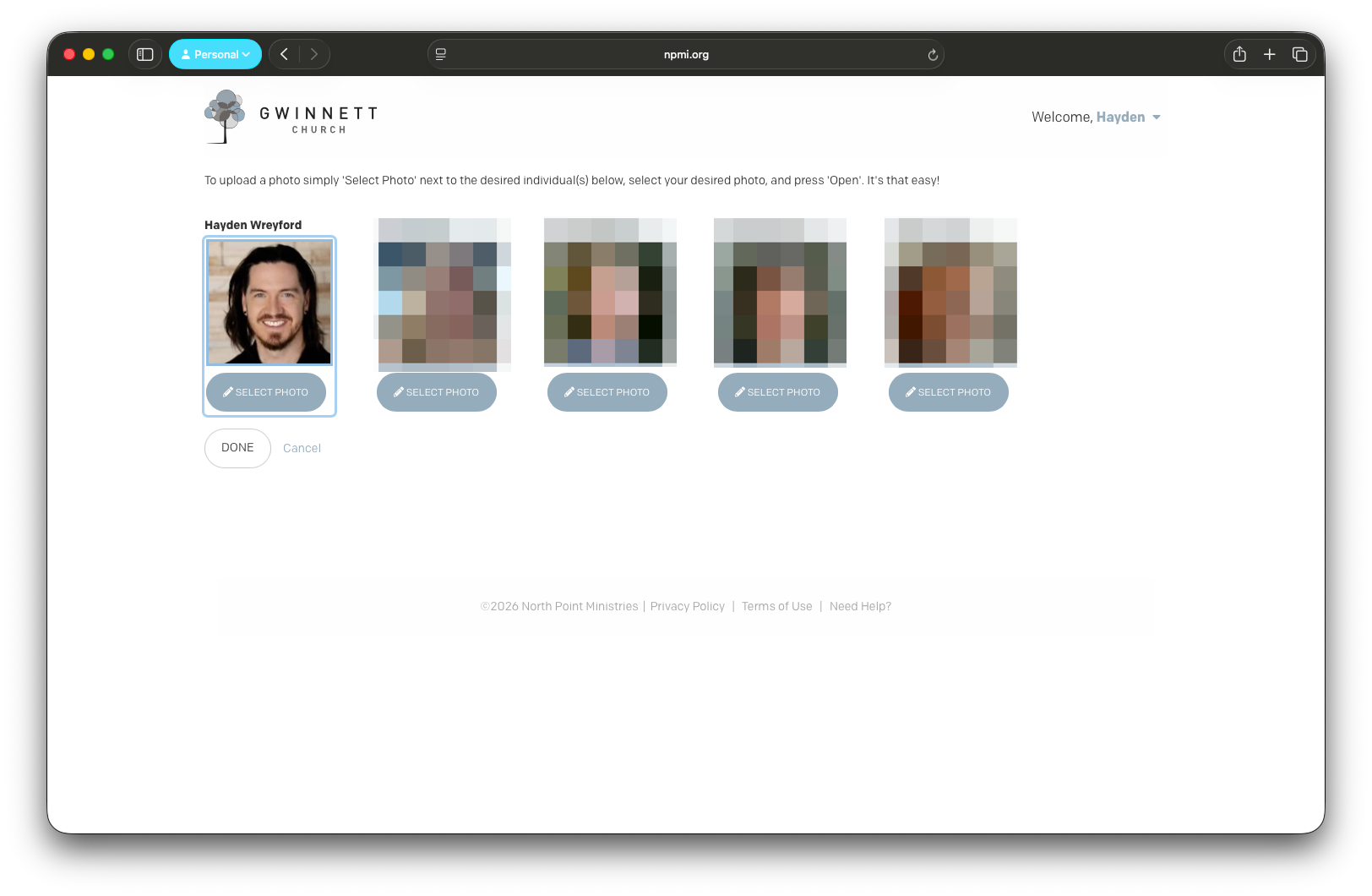
I worked closely with our in-house development team to ensure updates respected Rock RMS permissions, household relationships, and downstream reporting. Edge cases were deliberately addressed upfront to avoid undermining trust after launch. I was also directly involved in go-to-market execution, crafting the email announcement, supporting rollout messaging, and working with internal teams to introduce the feature clearly to both staff and attendees.
The Impact
The result was a meaningful shift in how data was maintained across the organization. Staff spent less time on routine updates and more time on ministry, profiles stayed more current, and Rock RMS became a more trusted, user-centered system rather than a staff-only database.
This project set a precedent for future self-service features by demonstrating how thoughtful product design, paired with clear communication and rollout, can improve both operational efficiency and user experience at scale.
Why It Mattered
This approach replaced staff-heavy data maintenance with a thoughtful self-service model, making it easier to keep information current while helping Rock RMS scale with the real pace of ministry.