
Reimagining In-Person Engagement: NFC Experiments for Faster, Frictionless Check-In & Next Steps
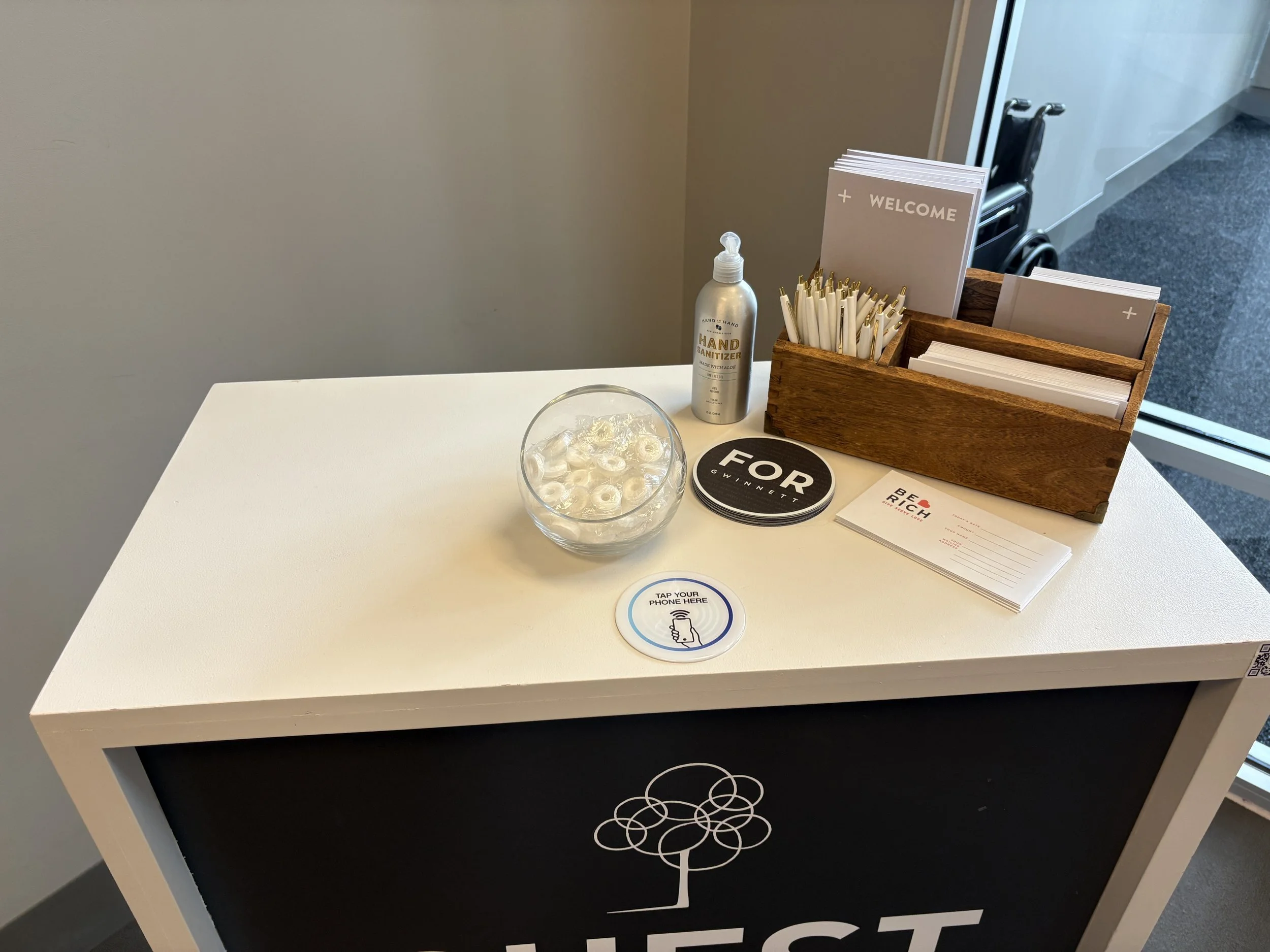
This Project At a Glance
I led an early-stage experiment with NFC tap technology across North Point Ministries campuses to address real UX gaps in QR-based calls to action and explore lower-friction ways to connect people to giving and engagement.
Client: North Point Ministries
Brands: NFC hardware, iOS & Android, Rock RMS, Venmo
Platforms: Squarespace (migrated from WordPress)
Scope: Product experimentation, vendor evaluation, hardware sourcing, UX design, campus rollout
Audience: First-time guests, families, students, volunteers, campus teams
The Challenge
QR codes and physical iPads had become default tools for digital engagement at NPM church campuses, but both introduced friction in real-world conditions. QR codes were unreliable in dark auditoriums, while children’s check-in depended on shared iPads that quickly became bottlenecks during peak traffic. The deeper issue wasn’t the tools themselves, but the assumption that engagement required visible screens and church-owned hardware, even though nearly every guest arrived with a capable device in their pocket. The challenge was to rethink these workflows to reduce hardware dependence, improve usability, and design experiences that worked in the environments people actually used them.
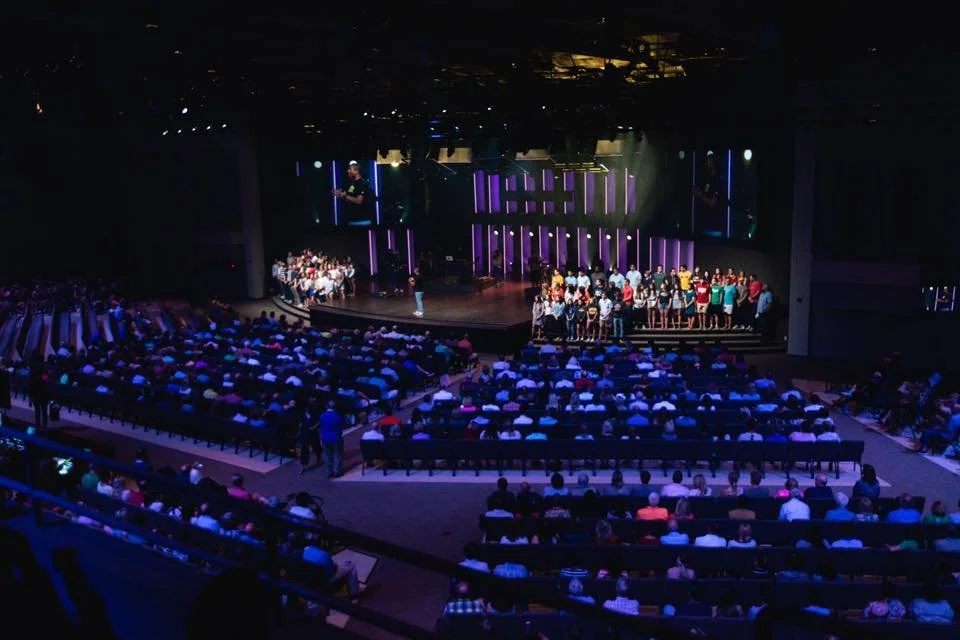
Low-light conditions in the balcony during services at North Point Community Church highlight a core limitation of QR-based calls to action. Ambient lighting drops quickly, making camera-based scanning unreliable in environments designed for immersive experiences.
The Outcome
We successfully piloted NFC tap tags as a complementary engagement tool, reducing reliance on fixed hardware and enabling faster, more reliable interactions in low-light and high-traffic environments. By shifting data entry to guests’ own phones and using tap-based calls to action where QR struggled, we improved usability, reduced operational overhead, and validated a clearer strategy for when to use NFC versus QR going forward.
About This Project
The Spark: A Real UX Failure
The experiment began after a Christmas service exposed a predictable problem. A verbal on-stage CTA asked attendees to scan seat-back QR codes, but the balcony was too dark for phones to recognize them. The issue wasn’t design. It was physics. Low ambient light breaks QR scanning, and that wasn’t going to change.
Around the same time, a cold email about an NFC product called Novity (later acquired by Overflow) landed in our Executive Director’s inbox. Rather than dismiss it outright, I used it as an opportunity to validate an idea I’d already been advocating for: tap as a complement to QR scanning.
Reverse-Engineering the Category
After receiving sample hardware from Novity, it was clear the value wasn’t the technology. It was the packaging. The hardware itself was commodity NFC. The paid software layer duplicated tools we already had.
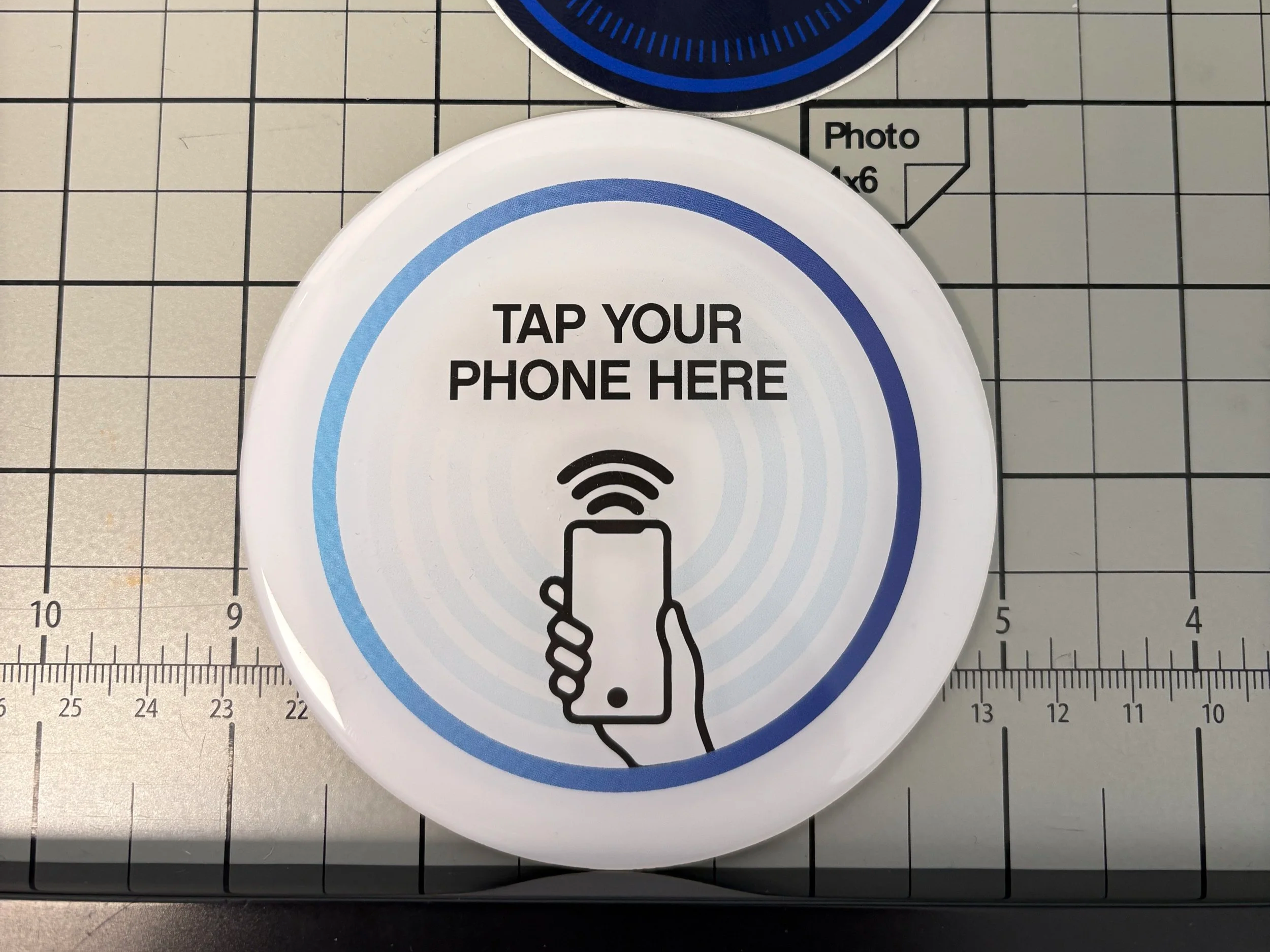
I sourced equivalent NFC hardware locally, negotiated samples, and worked with one of our campus Guest Services Directors to design and deploy our own branded tap discs using free link and analytics tools we already owned.
Solving a Real Problem First
The first use case wasn’t financial giving. It was children’s check-in.
New families had to queue at special iPads just to enter basic information before checking in their kids. During peak Sunday traffic, this created backups and a poor first impression. I asked a simple question others hadn’t: Why do they need our iPads at all?
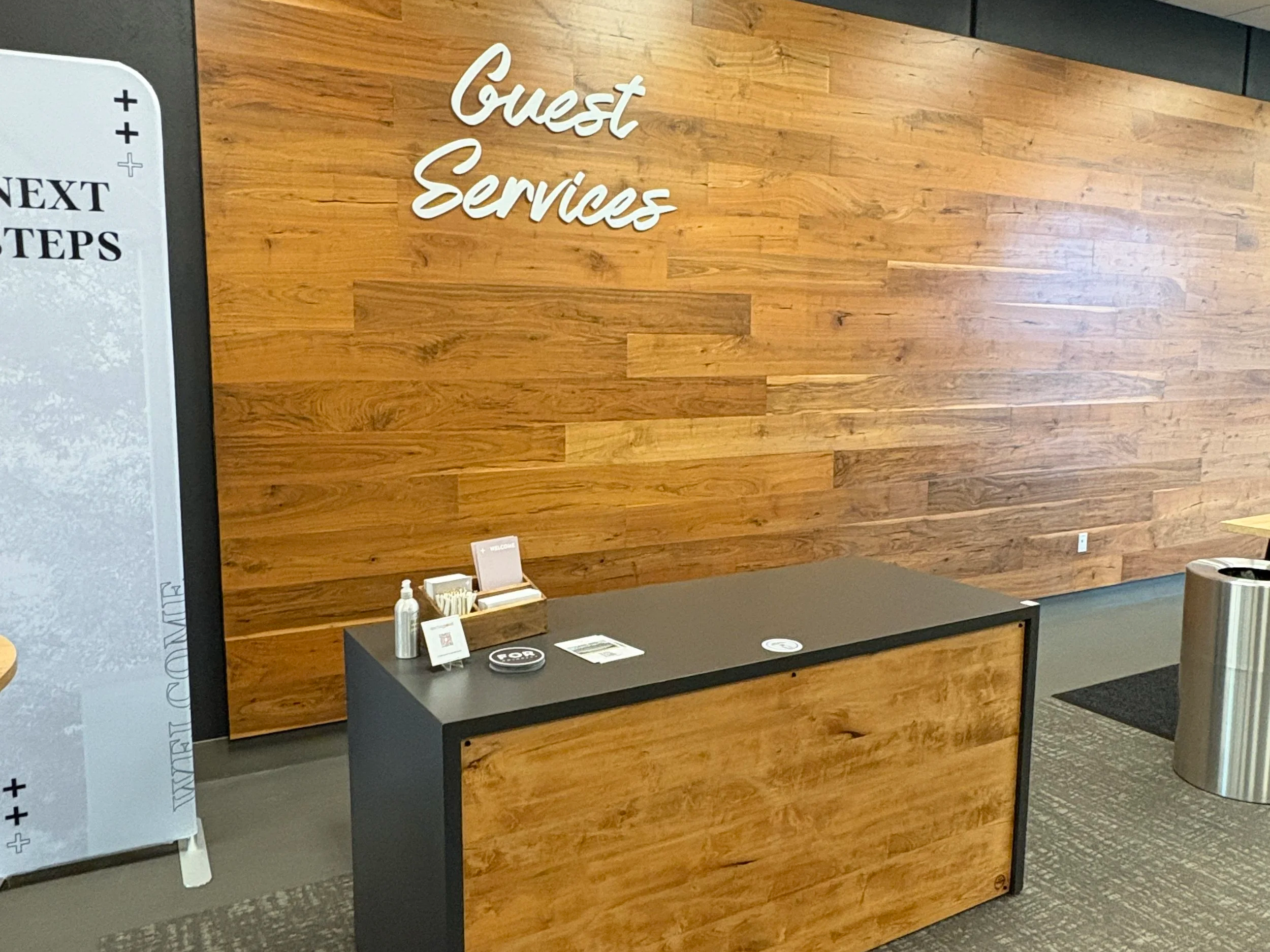
By placing NFC tags at the check-in table, families could tap with their own phones, autofill the form, and move on. No devices to maintain. No bottlenecks. No IT support required.
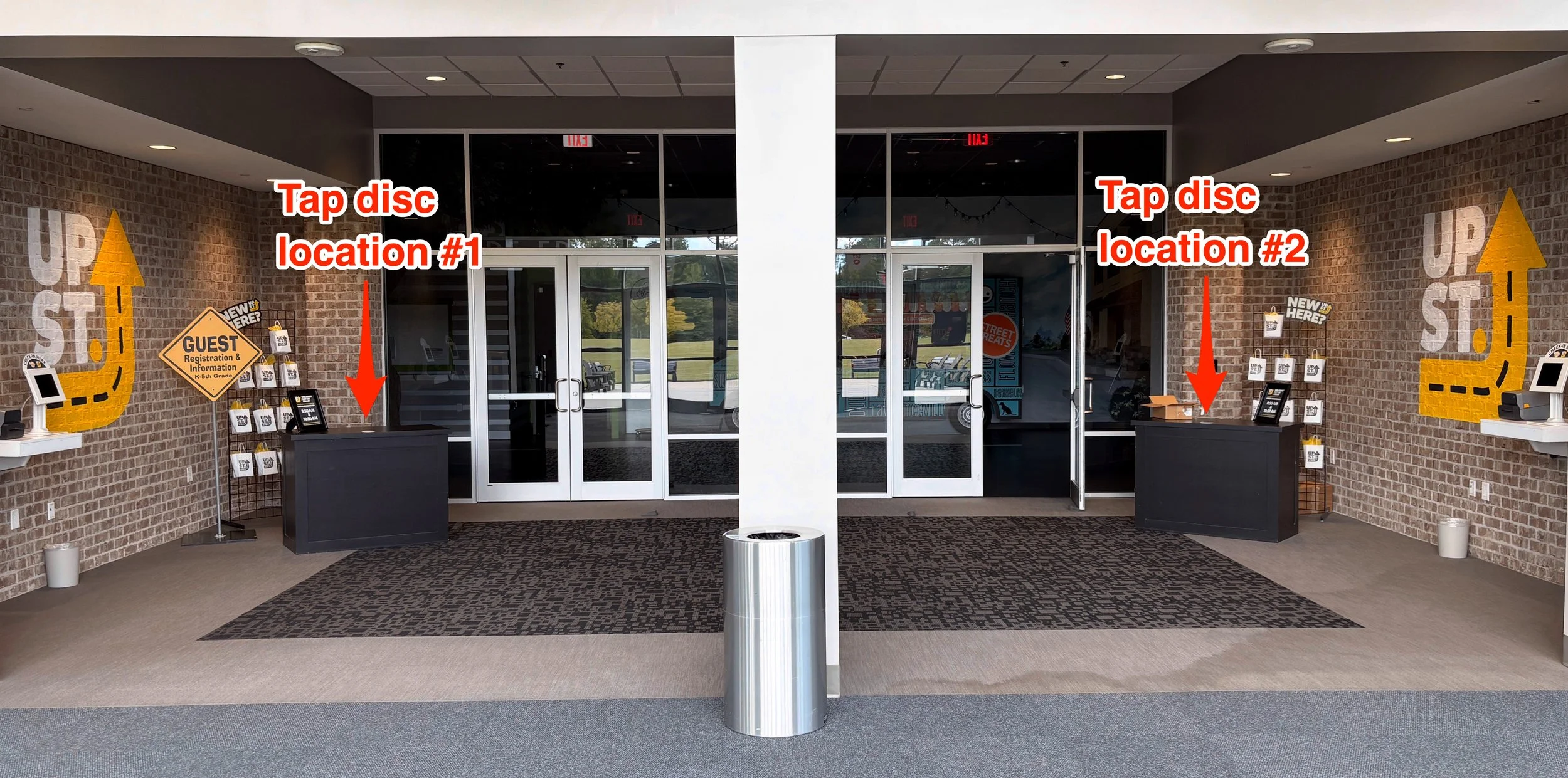
Strategic placement of NFC tap discs at the children’s check-in area, positioned adjacent to the existing iPad stations (white stands at far left and right) to redirect first-time families to self-service intake on their own phones, reducing hardware dependency and easing peak-time congestion.
Designing for Humans, Not Demos
I anticipated usability issues, differences in iPhone vs Android antenna placement, slight scan delays, and trained volunteers accordingly. We designed the workflow, signage, and expectations around real human behavior, not ideal conditions.
The result was overwhelmingly positive. Guests were delighted. Volunteers adapted quickly. Staff saw immediate value.
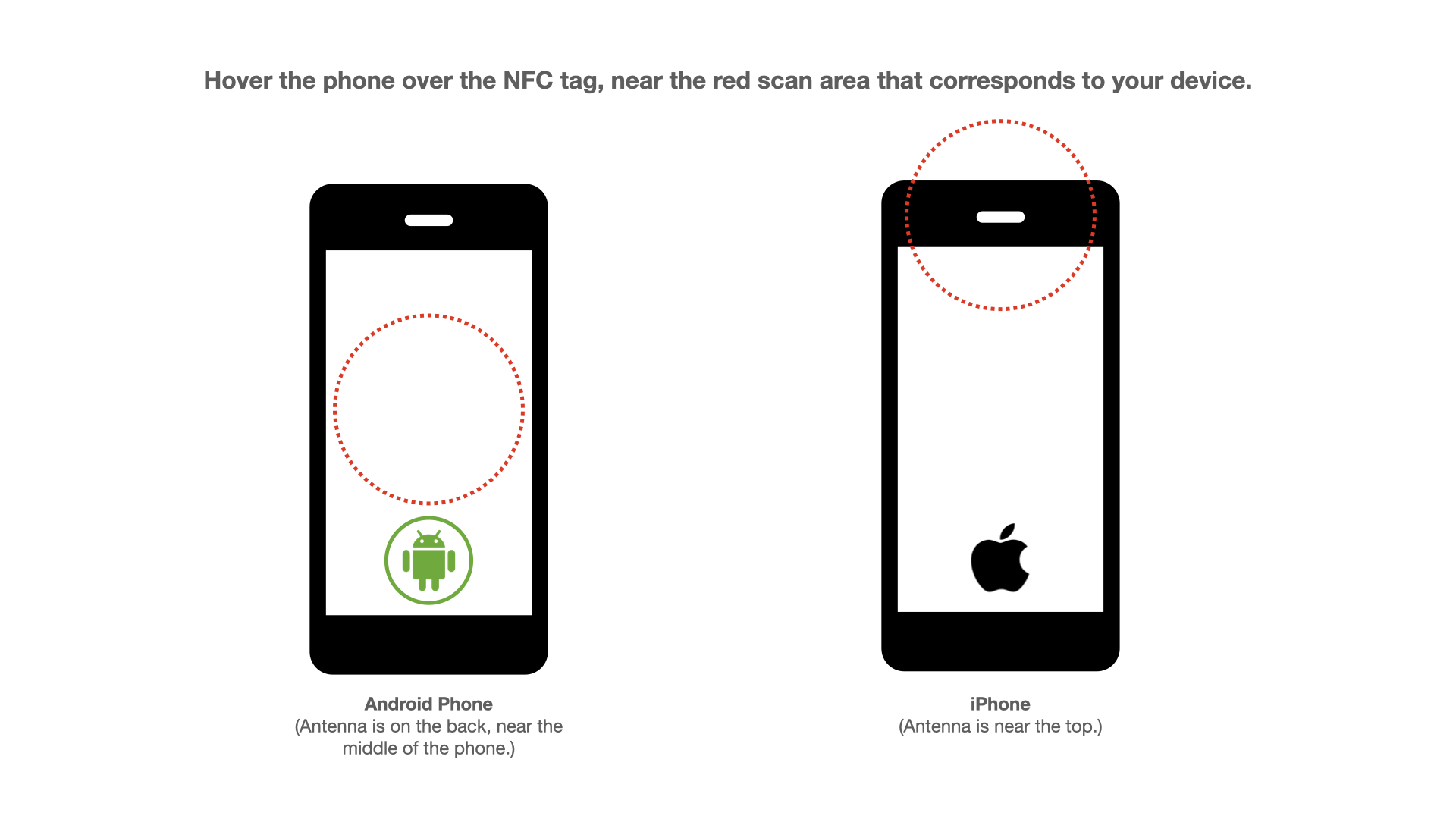
A simple visual I created to help volunteers understand where to tap on different phones. Android devices scan from the center-back, while iPhones scan near the top, reducing confusion, speeding up interactions, and making NFC-based Sunday workflows feel easy and intuitive for guests.
Expanding the Experiment
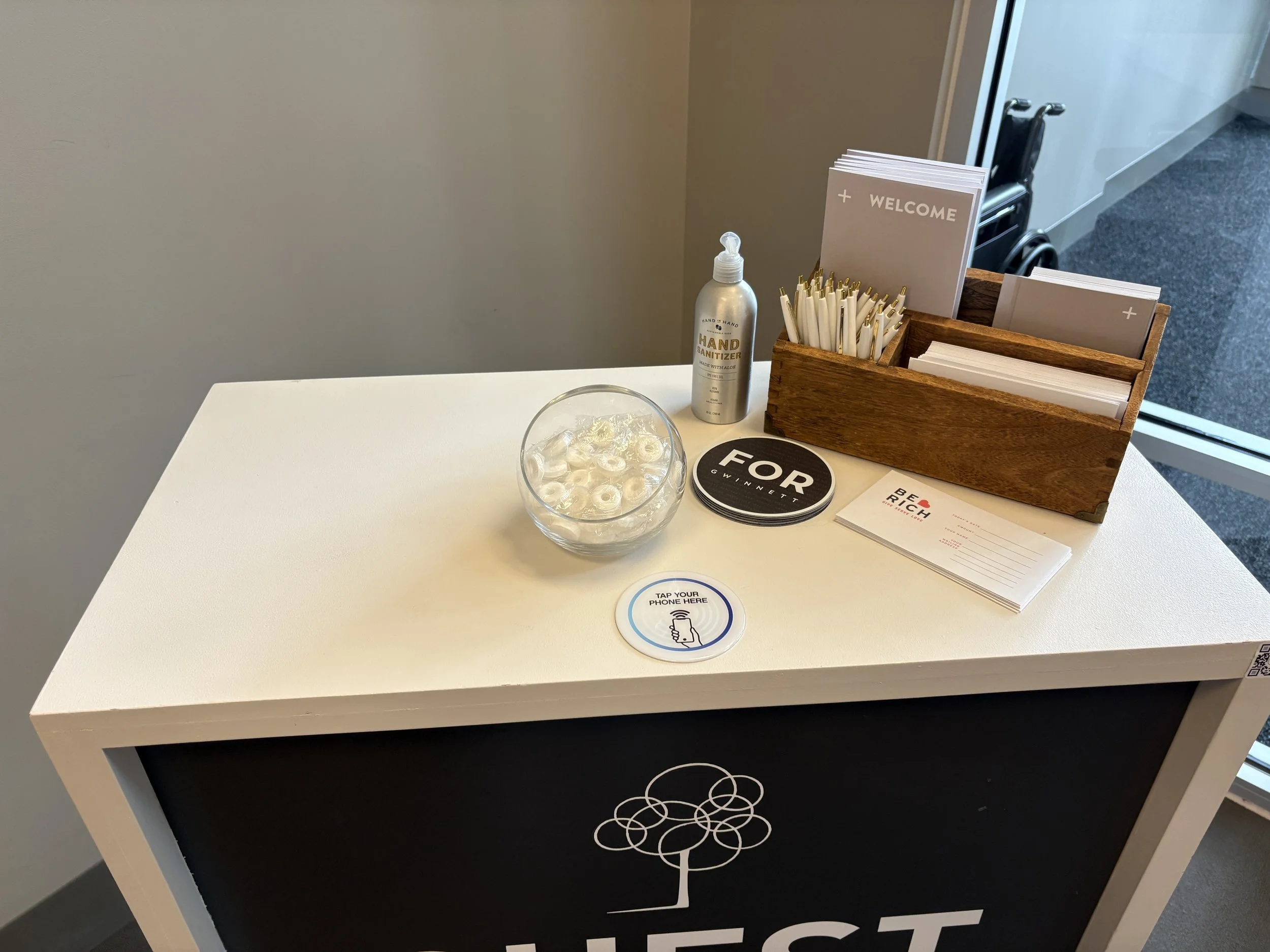
We deployed additional tags for guest follow-up, built location-based engagement insights, and began exploring NFC in darker auditoriums where QR struggled. Other campuses adopted the approach, and North Point Community Church later used NFC tags to enable Venmo giving in student environments.
The Impact
Faster, smoother guest and family onboarding
Reduced hardware, maintenance, and IT overhead
Improved engagement in low-light environments
Clear guidance on when NFC beats QR and when it doesn’t
Organization-wide confidence in NFC as a proven, not hypothetical, tool
Why It Mattered
This project wasn’t about chasing a trend. It was about asking better questions.
By experimenting early, avoiding vendor lock-in, and grounding decisions in real UX constraints, we helped leadership understand where NFC truly adds value and where QR remains the better choice.
The work demonstrated how thoughtful, scrappy product leadership can turn a cold email into a validated strategy, reduce cost, improve experience, and give the organization clarity before the market caught up.