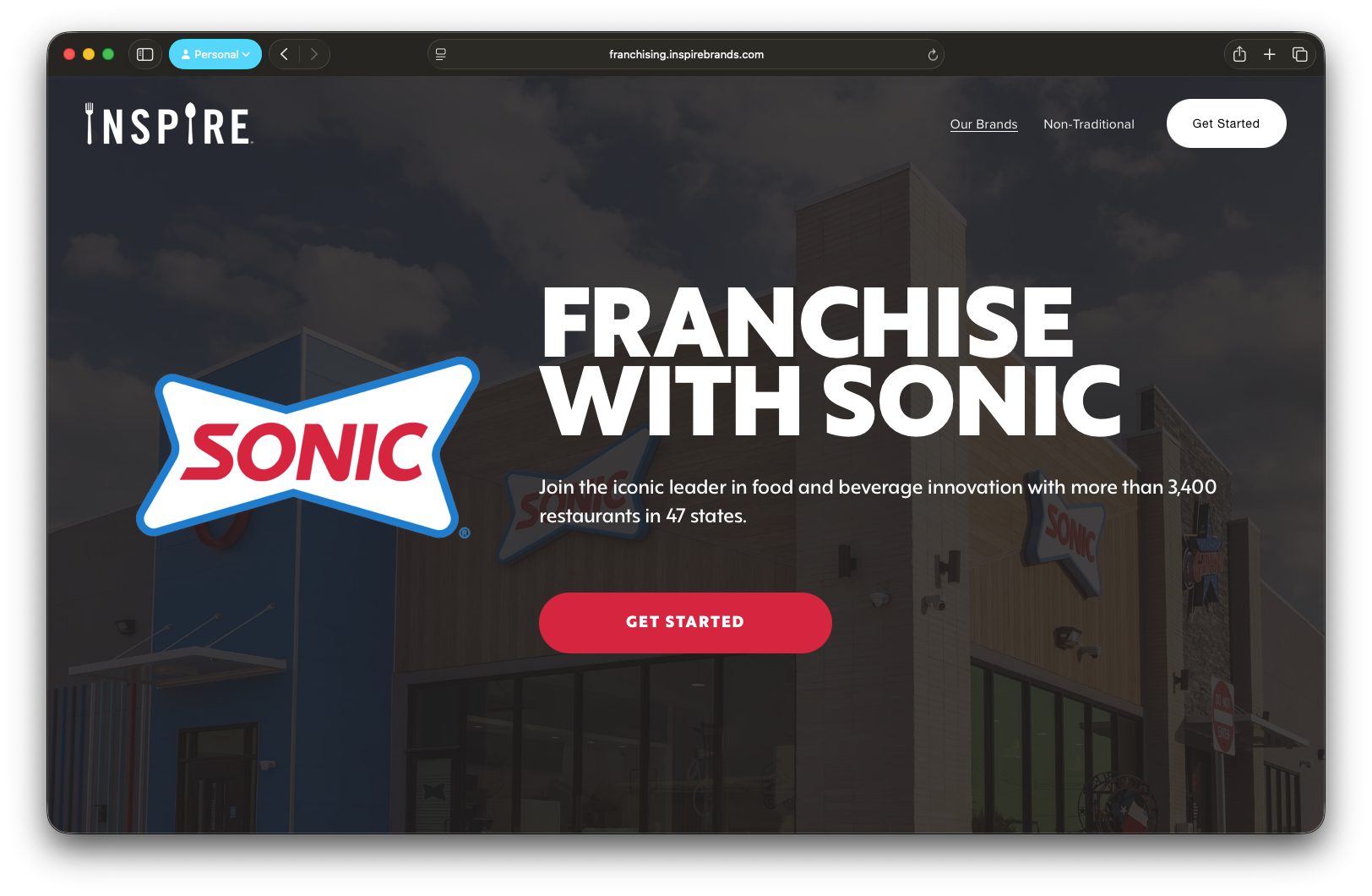
Inspire Brands Franchisee Digital Experience Redesign
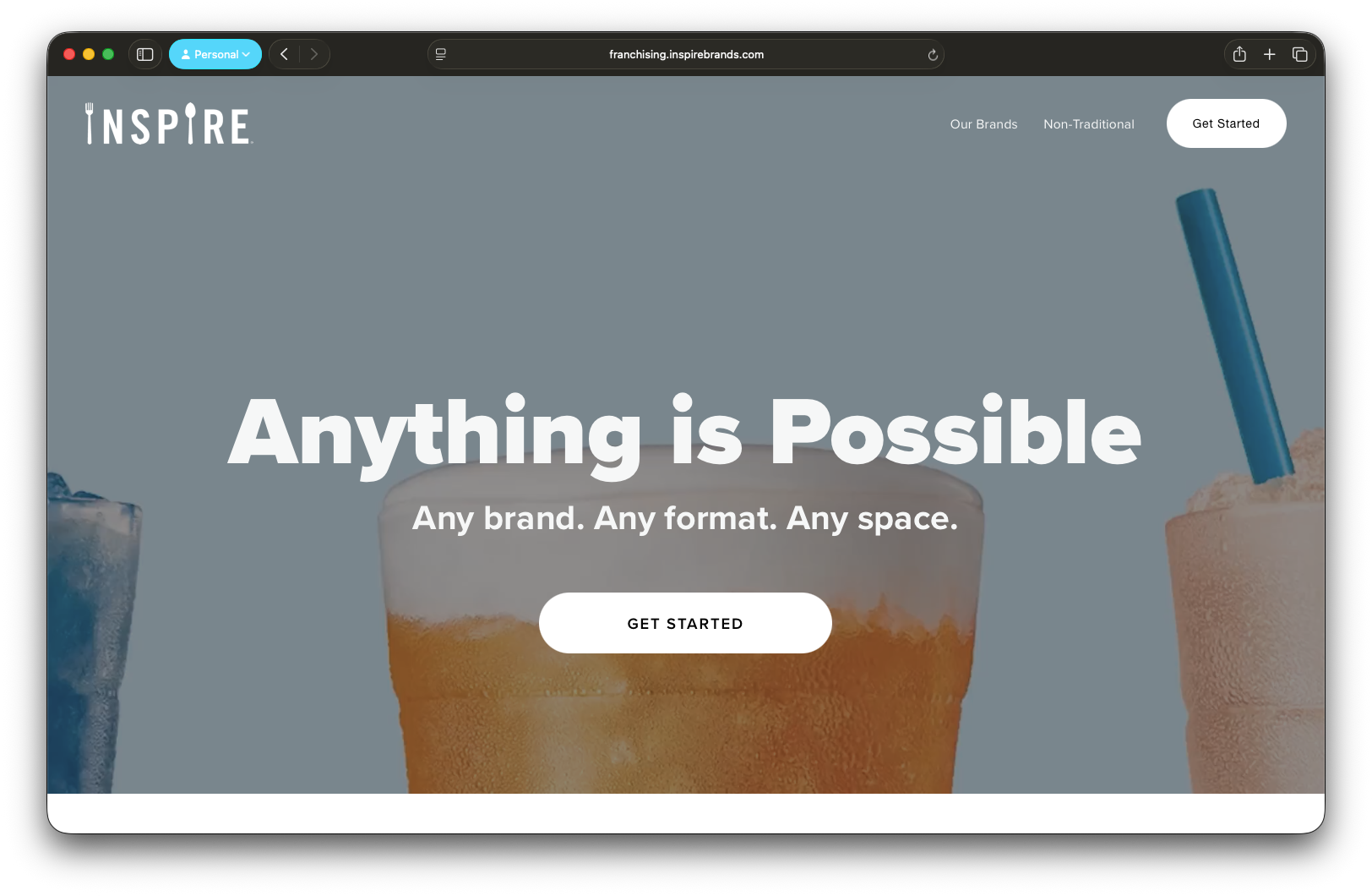
This Project At a Glance
I led the redesign and platform consolidation of Inspire Brands’ franchisee-facing digital experience, moving multiple WordPress sites to Squarespace to simplify maintenance, reduce ongoing overhead, and give internal teams a platform they could confidently own long term.
Client: Inspire Brands (Franchising)
Brands: Arby’s, Dunkin’, Buffalo Wild Wings, Buffalo Wild Wings GO, Jimmy John’s, SONIC, Baskin-Robbins
Platforms: Squarespace (migrated from WordPress)
Scope: Digital strategy, platform selection, information architecture, UX design, consolidation
Audience: Franchisees, internal support teams, executive leadership
The Challenge
As the company’s portfolio of brands grew, Inspire Brands’ franchisee sites had become fragmented and costly to maintain. Built on WordPress, they required frequent plugin updates, ongoing technical oversight, and external support just to stay current, pulling time and budget away from higher-value work.
At the same time, the user experience had grown increasingly complex. Franchisees we swarmed with information, they struggled to find what they needed, and internal teams lacked confidence in making updates without introducing risk or technical debt.
The Outcome
By recommending and migrating to Squarespace, we delivered a simpler, more maintainable platform that empowered Inspire’s internal teams to manage content directly without ongoing plugin maintenance or developer dependency.
The redesigned experience brought key content into a clear, intuitive structure that franchisees immediately understood, while preserving the unique identity and voice of each brand. Internally, the response was overwhelmingly positive, with strong buy-in and praise from teams across the organization, including senior leadership and the C-suite, reinforcing confidence in both the strategic direction and the execution.
About This Project
The Context: Complexity Hidden in Plain Sight
Inspire Brands’ franchisee-facing digital ecosystem had grown organically over time. What began as helpful, brand-specific resources slowly turned into a collection of separate WordPress sites, overlapping content, and unclear ownership across teams.
From the outside, things largely worked. Internally, however, the friction was real. Keeping the sites stable required constant plugin updates, ongoing vendor support, and technical vigilance just to avoid breaking changes. Even simple content updates carried risk. Over time, overhead quietly accumulated in both staff time and cost, without delivering proportional value to franchisees.
Sales and support teams felt the downstream effects as well. Fragmented experiences led to confusion, inconsistent messaging, and lower-quality leads, creating unnecessary strain on internal teams.
The challenge wasn’t just user experience. It was clarity, confidence, and long-term operational sustainability.
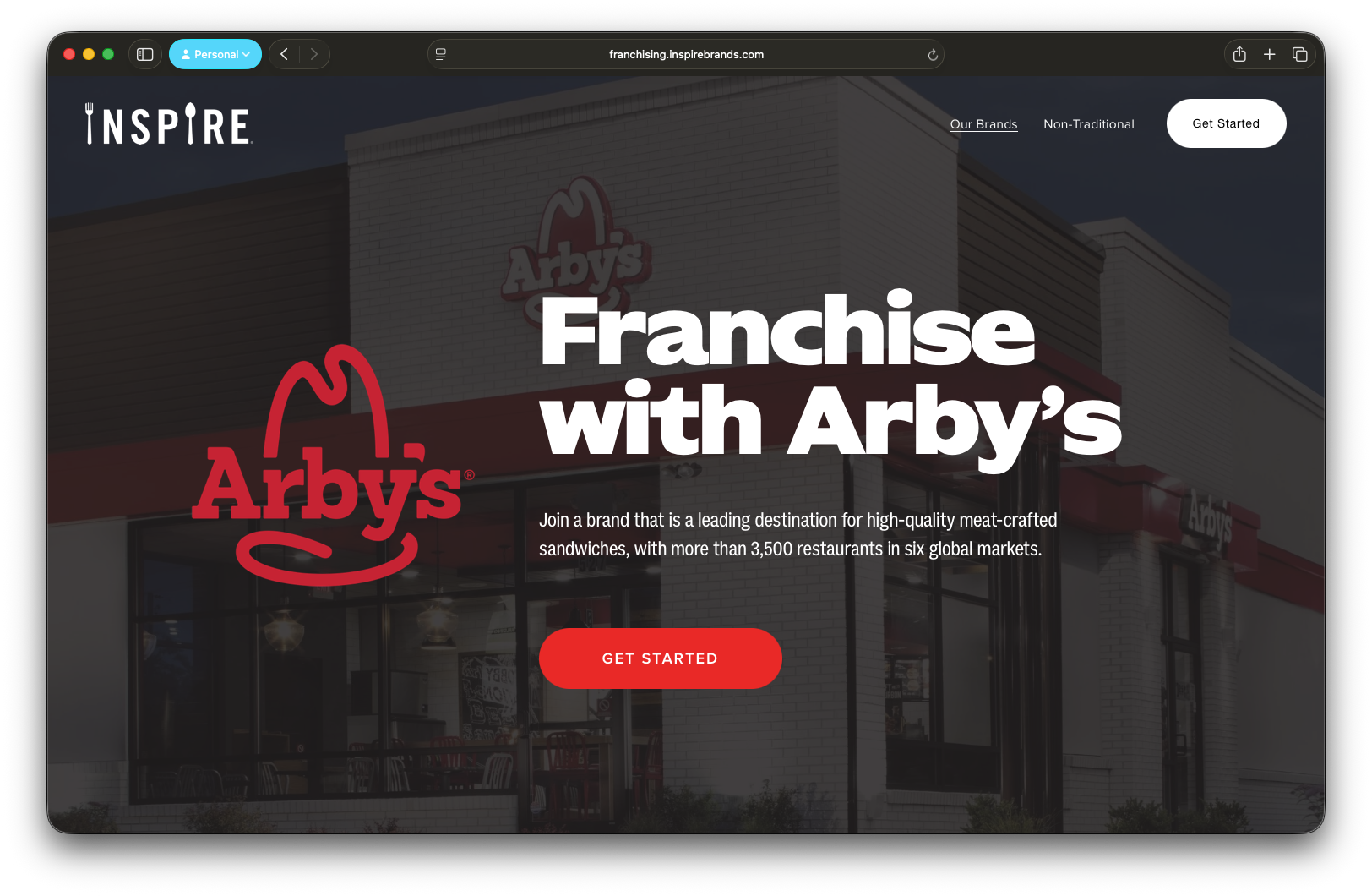
Reframing the Problem: Reducing Overhead, Not Adding Features
Rather than approaching this as a visual redesign or feature expansion, I reframed the problem around ownership and maintainability. The core question became: What platform allows Inspire’s internal teams to confidently manage and evolve these sites without ongoing technical debt or constant external support?
Based on that lens, I recommended migrating away from WordPress and consolidating onto Squarespace. While WordPress offered flexibility, it came with hidden costs in plugins, updates, security concerns, and reliance on specialized resources. Squarespace, by contrast, offered a stable, opinionated platform that internal teams could maintain directly.
This was a deliberate tradeoff. We chose simplicity and sustainability over unnecessary customization.
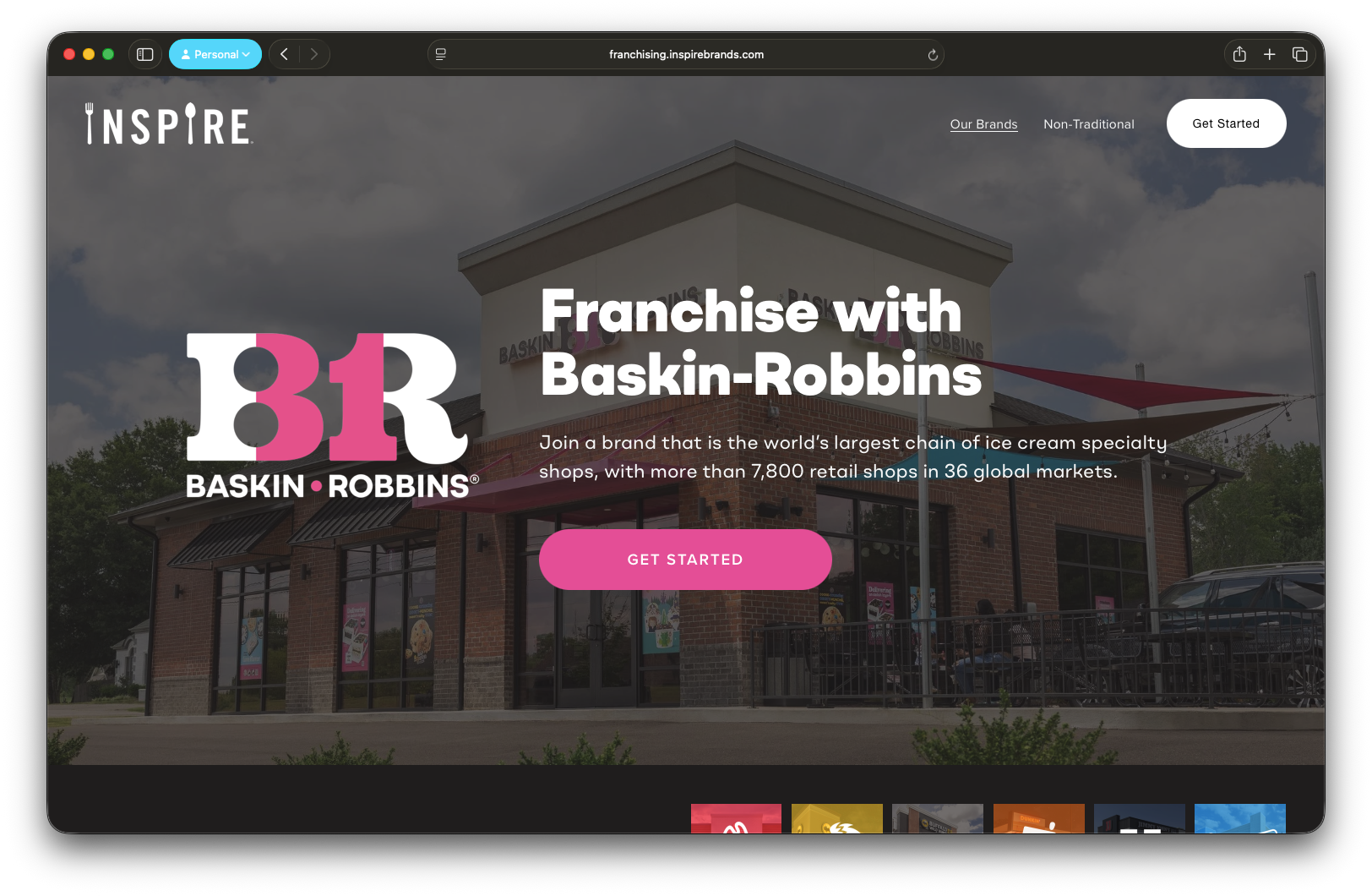
Designing for Scale Without Losing Brand Identity
A major concern in consolidation was preserving the individuality of Inspire’s brands. Each brand carries its own personality, voice, and expectations from franchisees, and flattening that identity would have undermined trust.
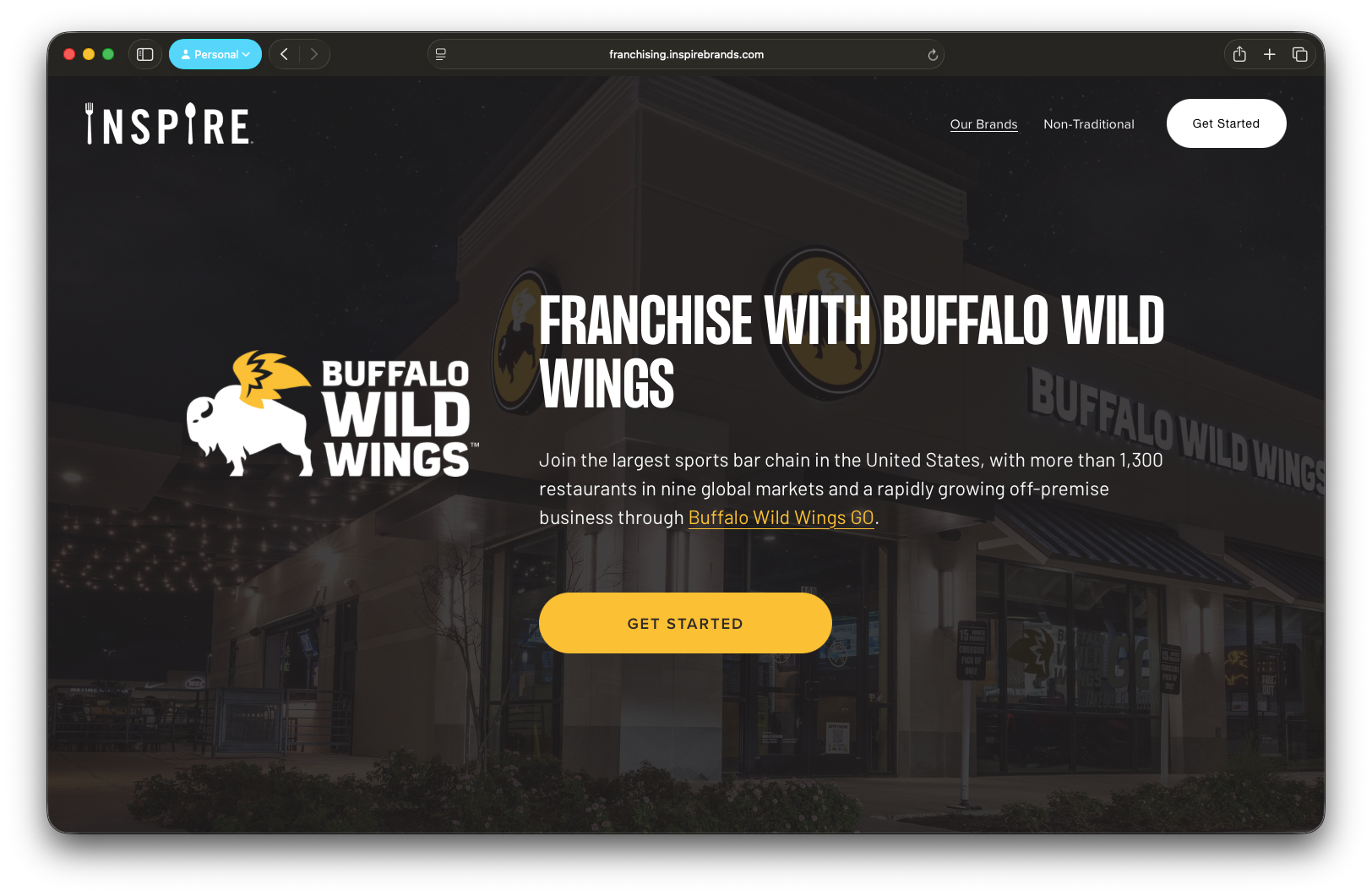
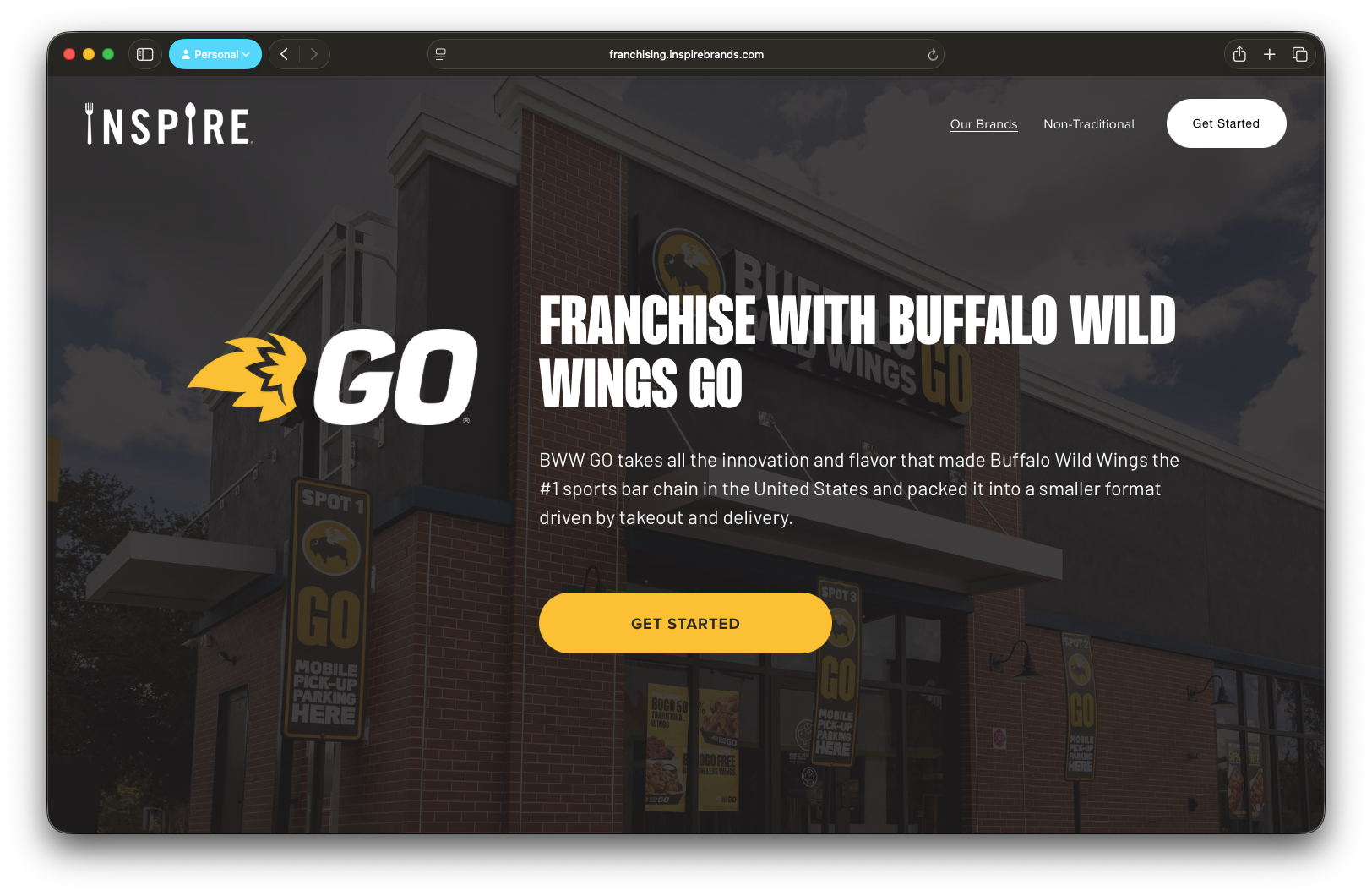
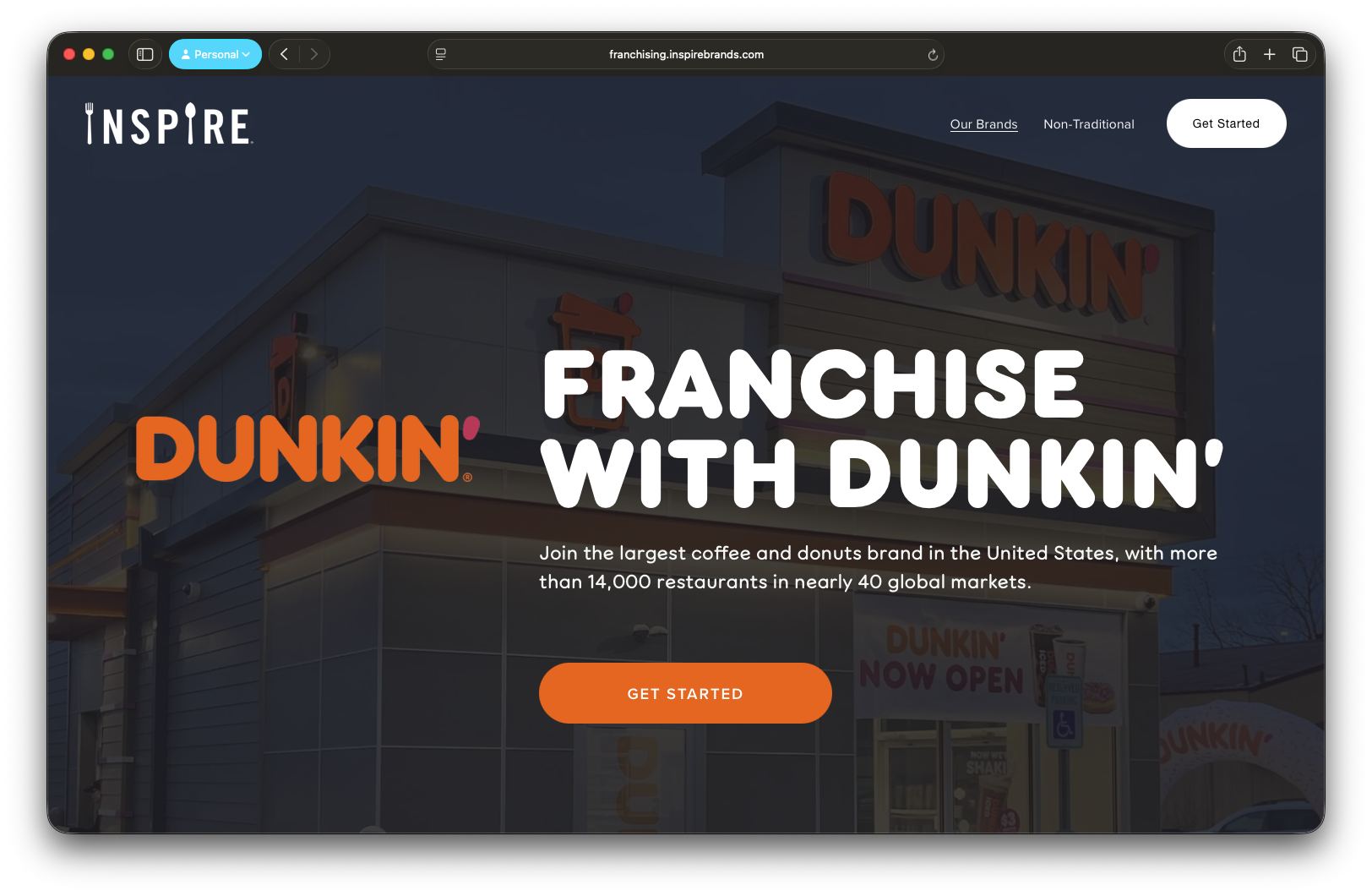
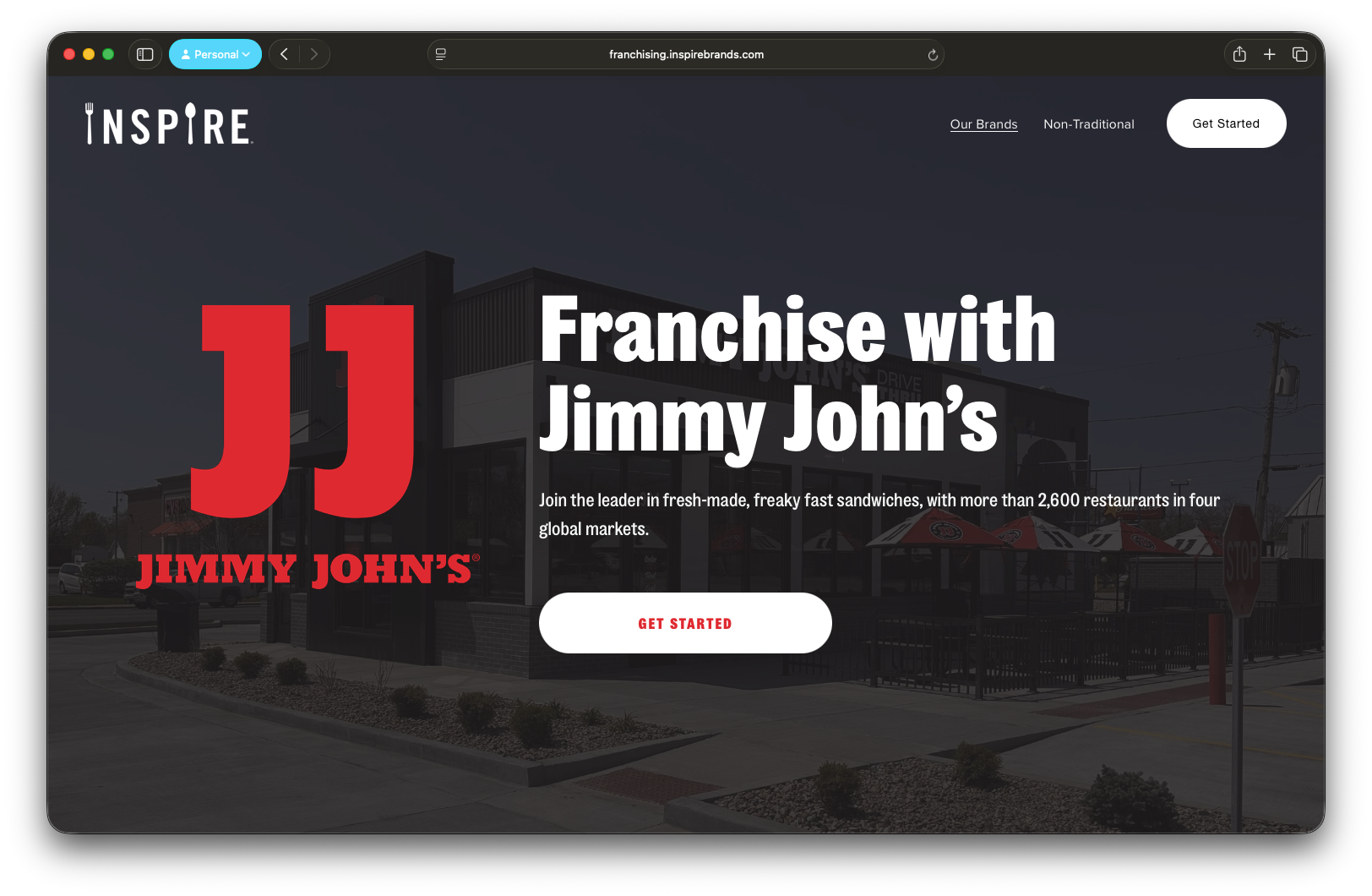
I led the information architecture and experience design to create a shared structural foundation while still allowing each brand to express itself clearly. Navigation patterns, content hierarchy, and page templates were standardized, while visual language, tone, and brand-specific nuances were preserved.
The result was a cohesive system that felt familiar across brands, without feeling generic.
A Platform Internal Teams Could Truly Own
The redesigned experience consolidated key franchisee content into a clear, intuitive structure that franchisees immediately understood, while preserving the unique identity and voice of each brand.
Just as importantly, internal teams gained confidence. Content updates no longer required technical escalation or plugin management. Maintenance overhead dropped significantly. The platform became something teams could manage themselves, freeing up time and budget for higher-value work.
The Impact
The redesigned franchisee experience reduced complexity across the system while increasing confidence at every level of the organization.
Franchisees were able to find what they needed more quickly, without navigating fragmented tools or duplicated content. Sales and support teams saw clearer signals and fewer low-quality leads driven by confusion or misalignment. Internally, teams were no longer burdened by constant plugin updates, vendor coordination, or technical risk just to keep content current.
Most tellingly, feedback was overwhelmingly positive across the organization. Teams immediately felt the difference, and leadership, including the C-suite, strongly supported the direction. The work reinforced trust not only in the final product, but in the strategic judgment behind it.
Why It Mattered
This project mattered because it demonstrated how thoughtful digital strategy can reduce cost, complexity, and friction without sacrificing quality or brand integrity.
Rather than adding features or over-engineering a solution, we focused on simplifying the system, choosing the right platform, and empowering internal teams to own it long term. That shift reduced ongoing overhead, freed teams to focus on higher-value work, and created a foundation that could scale with the organization.